

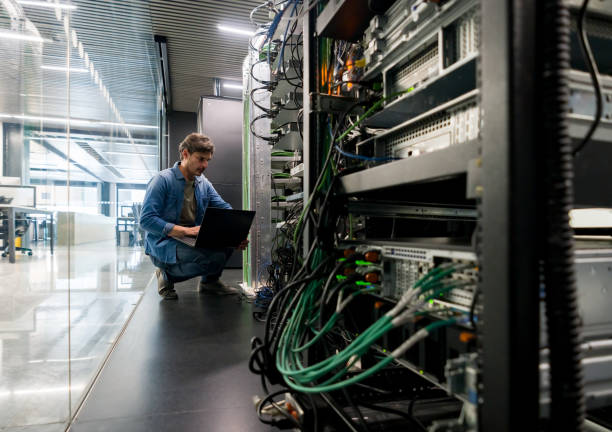
Monitoring and alerting in the context of computer networking involves monitoring the performance and health of your network infrastructure and receiving alerts or notifications when issues are detected. This can help you proactively address any network problems that could affect the quality of your VoIP phone service.
To ensure the privacy and security of your data when using these technologies, it's important to follow best practices such as using strong passwords, regularly updating firmware and software, encrypting sensitive data, and restricting access to authorized personnel only. Additionally, working with reputable vendors and implementing network security measures can help protect against unauthorized access or data breaches.
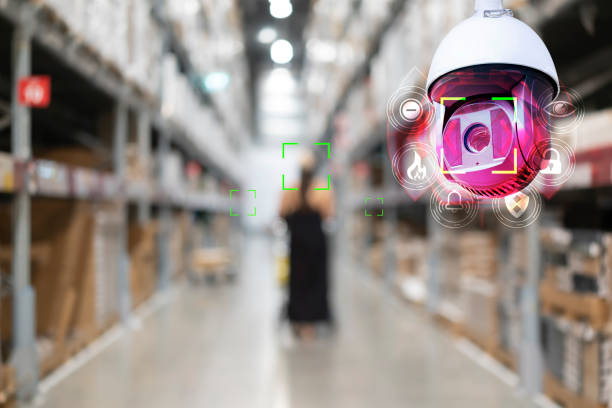
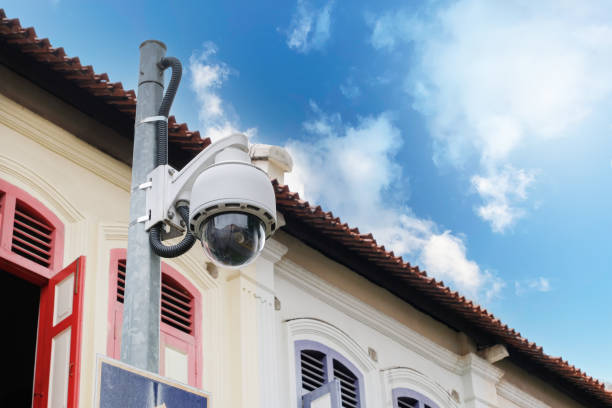
Yes, it is possible to integrate video surveillance and access control systems with your VoIP phone service. This integration can provide additional security features such as video verification for access control events, remote door unlocking through the phone system, or receiving video alerts on your phone when access control events occur.
In most cases, you can use your existing phone system with a VoIP service by connecting it to an adapter or gateway that converts traditional phone signals into digital signals that can be transmitted over the internet. However, some older phone systems may not be compatible with VoIP, so it's best to check with your provider.
There may be additional costs associated with implementing video surveillance or access control systems, depending on the specific requirements of your business. These costs can include purchasing cameras, access control devices, and software licenses, as well as installation and maintenance fees. It's best to consult with a security provider to get a detailed quote based on your business needs.