

The reliability of a VoIP phone service can vary depending on factors such as the quality of your internet connection and the provider you choose. While traditional landlines are generally considered more reliable in terms of call quality and uptime, VoIP technology has improved significantly in recent years and is now considered a viable alternative for many businesses.
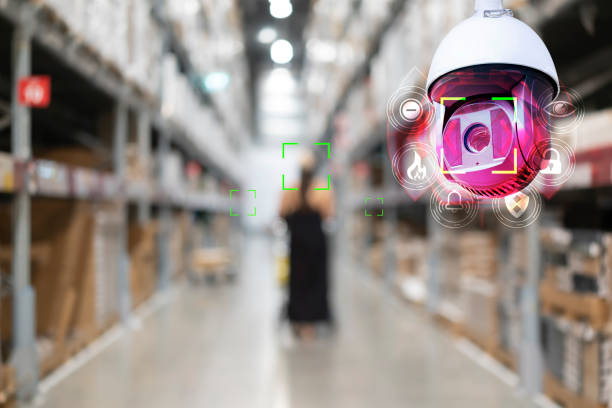
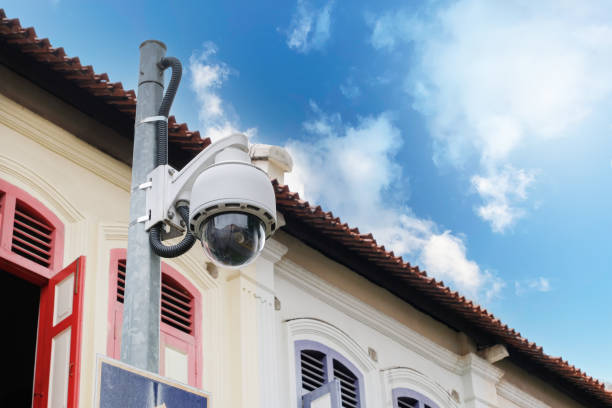
Yes, many VoIP phone service providers offer remote monitoring and management capabilities for their systems. This allows you to monitor call quality, view call logs and analytics, manage user accounts, and make configuration changes from a web-based portal or mobile app. Similarly, video surveillance and access control systems often come with remote viewing and management features that allow you to monitor and control your security systems from anywhere with an internet connection.
The features included with a VoIP phone service can vary depending on the provider and plan you choose. However, common features often include call forwarding, call waiting, voicemail, caller ID, conference calling, and auto-attendant menus. Some providers also offer advanced features such as call recording, call analytics, and integration with other business tools like CRM systems.
Implementing these technologies may have specific requirements or limitations depending on the type of business you have. For example, businesses with multiple locations may need to consider network connectivity between sites to ensure reliable VoIP phone service and integration with video surveillance or access control systems. Additionally, certain industries may have specific compliance requirements for data privacy and security, so it's important to ensure that the technologies you choose meet those standards. Consulting with a knowledgeable provider can help you navigate these requirements and tailor the solutions to your business needs.
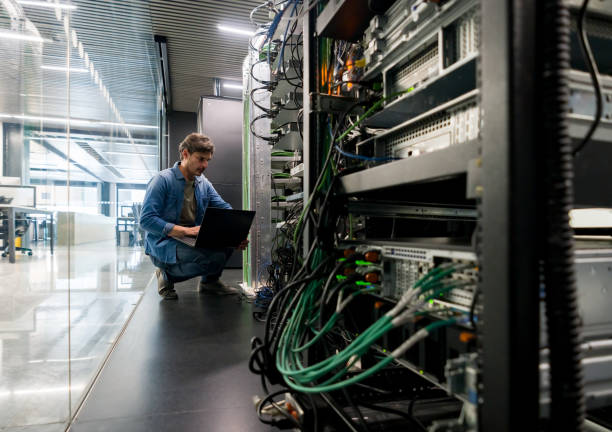
Monitoring and alerting in the context of computer networking involves monitoring the performance and health of your network infrastructure and receiving alerts or notifications when issues are detected. This can help you proactively address any network problems that could affect the quality of your VoIP phone service.
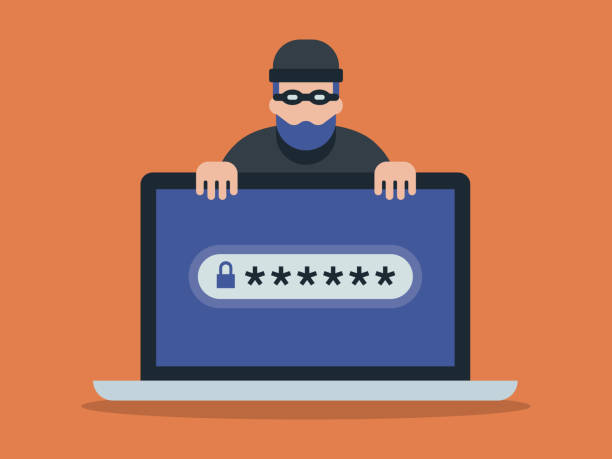
To ensure the privacy and security of your data when using these technologies, it's important to follow best practices such as using strong passwords, regularly updating firmware and software, encrypting sensitive data, and restricting access to authorized personnel only. Additionally, working with reputable vendors and implementing network security measures can help protect against unauthorized access or data breaches.